Dental Aligners Vs Retainers
Difference Between Dental Aligners & Retainers
Introduction to Dental Aligners and Retainers
Are you looking to perfect your smile and achieve that straight, beautiful set of teeth you've always dreamed of?
If so, understanding the difference between dental aligners and retainers is key. These two orthodontic devices play different roles in ensuring your teeth stay aligned post-treatment.
Let's dive into the world of dental aligners and retainers to help you make an informed decision about which option may be best for you.

Retainers
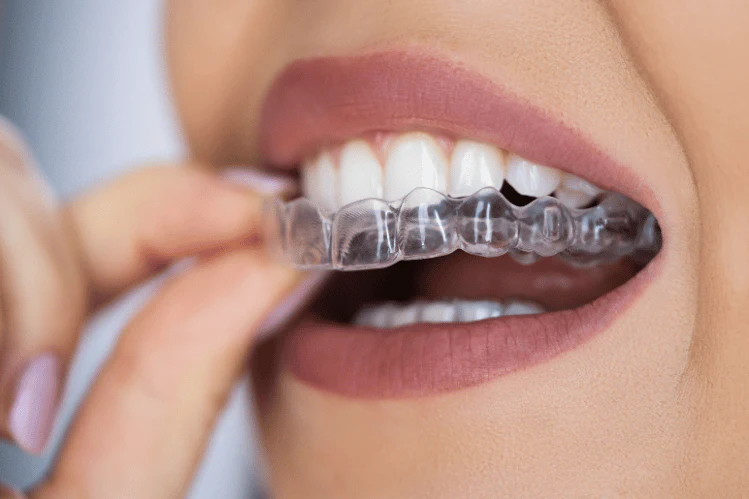
Aligners
What Are Dental Aligners?
Are you looking to straighten your teeth without the hassle of traditional braces? Dental aligners might be the solution you've been searching for.
Dental aligners are custom-made, clear plastic trays that fit over your teeth and gradually shift them into the desired position. They are a popular alternative to metal braces because they are virtually invisible and can be removed when eating or brushing.
These aligners work by applying gentle pressure on specific areas of your teeth, gradually moving them to achieve a straighter smile over time. Each set of aligners is worn for about two weeks before moving on to the next set in the series.
With advancements in technology, there are various types of dental aligners available on the market today, each offering unique benefits based on individual needs and preferences.
How Do Dental Aligners Work?
Dental aligners work by gently applying pressure to your teeth, gradually moving them into the desired position. They are custom-made for each individual based on their dental impressions and treatment plan.
The aligners are typically worn for 20-22 hours a day, only being removed for eating, drinking, brushing, and flossing. As you progress through the series of aligners, your teeth will slowly shift until they reach the final alignment prescribed by your orthodontist.
Each set of aligners is designed to make precise adjustments to your teeth's positioning. This gradual movement helps minimize discomfort while still effectively straightening your smile.
Unlike traditional braces, dental aligners are virtually invisible and can be more comfortable to wear. Additionally, they offer the convenience of easy removal for oral hygiene routines and meals without restrictions on what you can eat or drink during treatment.
Dental aligners provide a discreet and convenient way to achieve a straighter smile without the hassle of metal brackets and wires.
Types of Dental Aligners
When it comes to dental aligners, there are a few different types available on the market. One popular type is clear aligners, such as Invisalign, which are virtually invisible and can be easily removed for eating or cleaning. Another type is lingual braces, which are attached to the back of the teeth for a more discreet treatment option.
Ceramic braces are also a common choice for dental alignment; they blend in with the natural tooth color for a less noticeable appearance. Self-ligating braces use brackets that slide along wires instead of being tightened with elastics.
Each type of dental aligner has its own unique features and benefits, so it's essential to consult with your orthodontist to determine which option best suits your needs.
Pros and Cons of Dental Aligners
Let's dive into the pros and cons of using dental aligners.
On the positive side, aligners are nearly invisible, making them a discreet option for teeth straightening. They are also removable, allowing for easy cleaning and maintenance compared to traditional braces. With aligners, there are usually fewer visits to the dentist for adjustments.
However, it's essential to note that aligners may not be suitable for severe orthodontic issues and might take longer than traditional braces to achieve desired results. Some people may find them uncomfortable initially or struggle with consistent wear throughout the day.
Despite these drawbacks, many users appreciate the flexibility and convenience that aligners offer in their journey towards a straighter smile. It's crucial to weigh both sides carefully before deciding if dental aligners are the right choice for you.
What Are Retainers?
Retainers are custom-made orthodontic devices designed to maintain the alignment of teeth after braces or aligners have been removed. They are typically made of plastic or metal and fit snugly over the teeth to hold them in their new position.
Retainers work by applying gentle pressure on the teeth, preventing them from shifting back to their original misaligned positions. This helps to ensure that your smile stays straight and beautiful for years to come.
There are different types of retainers available, including Hawley retainers with a wire that goes across the front of the teeth, clear retainers that are less noticeable, and fixed retainers bonded behind the teeth.
While wearing a retainer may require some adjustment initially, it is an essential step in maintaining your newly aligned smile. Remember to follow your orthodontist's instructions on how long and when to wear your retainer for optimal results.
How Do Retainers Work?
Retainers play an essential role in maintaining the results achieved through orthodontic treatment. Once braces or aligners have straightened your teeth, retainers step in to keep them in their new positions.
Retainers work by applying gentle pressure to hold the teeth in place and prevent them from shifting back to their original alignment. They are custom-made for each individual's unique dental structure, ensuring a snug fit that promotes stability.
Wearing your retainer as instructed by your orthodontist is crucial for long-term success. Typically worn initially for most of the day and gradually transitioning to nighttime use only, retainers help solidify the new position of your teeth over time.
By consistently wearing your retainer as directed, you can safeguard the investment made in achieving a beautifully aligned smile. Remember, consistency is key when it comes to ensuring lasting results with your orthodontic treatment!
Types of Retainers
When it comes to types of retainers, there are generally two main categories: removable retainers and fixed retainers. Removable retainers are usually made of clear plastic or acrylic and can be taken out for eating, brushing, and flossing. They offer flexibility but require discipline in wearing them as prescribed by your orthodontist.
On the other hand, fixed retainers consist of a thin wire that is bonded behind the teeth. They provide continuous support without the need to remember to wear them daily. However, they may make cleaning more challenging since they are not removable.
Within these categories, variations exist based on materials used and customization for individual needs. Some common types include Hawley retainers with wires and acrylic material or clear aligner-style retainers that resemble invisible braces.
Choosing the right type depends on factors like comfort, maintenance ease, and effectiveness in maintaining your newly aligned smile.
Pros and Cons of Retainers
Retainers are essential in maintaining the results achieved with braces or aligners. One of the pros of retainers is their ability to keep your teeth aligned and prevent them from shifting back. They are discreet and often unnoticeable, making them a convenient option for many individuals.
On the downside, wearing retainers can sometimes be uncomfortable initially as they may cause slight soreness or difficulty speaking. Additionally, there is a risk of misplacing or losing your retainer, which can be costly to replace. Regular cleaning and maintenance are necessary to avoid bacteria build-up and ensure their longevity.
Despite these drawbacks, the benefits of using retainers far outweigh the inconveniences for those looking to preserve their straightened smile.
Choosing Between Dental Aligners and Retainers
When it comes to deciding between dental aligners and retainers, there are a few key factors to consider. Dental aligners are an excellent choice for those looking to straighten their teeth discreetly and gradually. They are removable, making them convenient for eating and cleaning.
On the other hand, retainers are often used after braces or aligner treatment to maintain the results achieved. They help keep your teeth in their new position and prevent them from shifting back.
The decision between dental aligners and retainers ultimately depends on your specific needs and goals. If you're looking to actively move your teeth into alignment, dental aligners may be the way to go. However, if you've already completed treatment and want to preserve your results, retainers would be more suitable.
Consulting with your orthodontist is crucial in determining which option is best for you based on your individual situation.
Conclusion
Both dental aligners and retainers play crucial roles in orthodontic treatment. Dental aligners are great for straightening teeth and correcting bite issues discreetly, while retainers help maintain the results achieved by braces or aligners.
The choice between the two will depend on your individual needs, treatment goals, and lifestyle preferences. It's essential to consult with your orthodontist to determine which option is best suited for you. Remember that consistency in wearing either dental aligners or retainers as prescribed is key to achieving long-lasting results and a beautiful smile.