Keyhole Surgery (PCNL) in Delhi

Urolife Stone Hospital
Munirka, Backside of Munirka Metro Station, Delhi
Best Keyhole Surgery or PCNL in Delhi to Remove Kidney Stones
Urolife Stone Center offers the best Keyhole Surgery (PCNL) in Delhi to remove comparatively larger kidney stones at the most affordable packages. It is a minimally invasive low-risk procedure that is recommended when non-surgical procedures like ESWL are considered to be ineffective.
Important Links

Introduction to Keyhole Surgery (PCNL)
Intro
Keyhole surgery, also known as percutaneous nephrolithotomy (PCNL), is a minimally invasive procedure used to remove kidney stones.
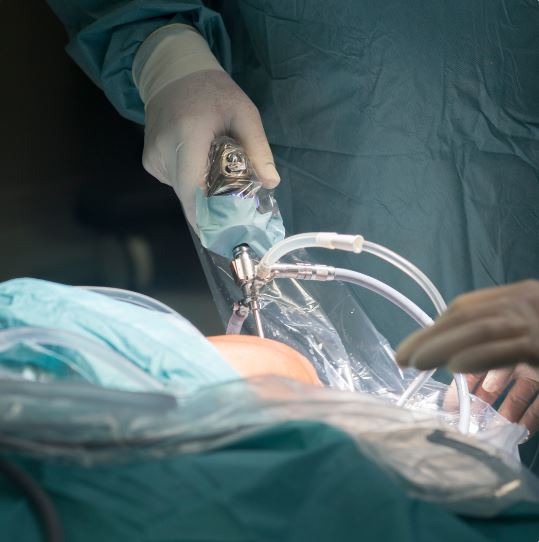
During this procedure, a small incision is made in the back and a thin tube with a camera attached, called a nephroscope, is inserted into the kidney.
The surgeon then uses specialized tools like ultrasonic or laser probes to break up the kidney stones and remove them without having to make any large incisions.
This technique allows for quicker recovery times, less pain, and reduced risk of complications compared to traditional open surgery.
PCNL has revolutionized the treatment of kidney stones by providing patients with an effective and efficient way to rid themselves of these painful obstructions without major surgery or extended hospital stays.
What are Kidney Stones and Their Symptoms?
Symptoms
Kidney stones are small, hard mineral deposits that can form in your kidneys when certain substances in your urine become too concentrated. These stones can vary in size and shape, causing a range of symptoms depending on their location and size.
Symptoms of kidney stones may include severe pain in the back or side, below the ribs, pain while urinating, pink, red or brown urine, cloudy or foul-smelling urine, nausea and vomiting. Some people may also experience frequent urination or a persistent need to urinate.
It’s essential to seek medical attention if you suspect you have kidney stones based on these symptoms as they can lead to complications if left untreated. A proper diagnosis by a healthcare professional is crucial for determining the best treatment plan for your specific situation.

How Does Keyhole Surgery (PCNL) Work?
How does PCNL Works?
Keyhole Surgery (PCNL), also known as Percutaneous Nephrolithotomy, is a minimally invasive procedure used to remove kidney stones. During the surgery, a small incision is made in the back and a thin scope is inserted into the kidney. The surgeon then locates the stone using imaging techniques.
Once the stone is located, specialized instruments are used to break it into smaller pieces that can be easily removed. These fragments may be extracted with a tool called a nephroscope or washed out through drainage tubes.
Keyhole Surgery (PCNL) offers an effective way to treat large or complex kidney stones without the need for traditional open surgery.
This technique allows for quicker recovery times and reduced risk of complications compared to more invasive procedures.
Benefits
Advantages of
PCNL
Keyhole Surgery (PCNL) offers several advantages for patients dealing with kidney stones.
Minimally Invasive Procedure
It is a minimally invasive procedure, which means smaller incisions are made compared to traditional surgery. This results in less pain and scarring post-operation.

Faster Recovery
Furthermore, PCNL allows for faster recovery times as patients typically spend less time in the hospital and can resume their normal activities sooner.
The precision of keyhole surgery also enables doctors to target and remove kidney stones more effectively, reducing the risk of complications.

Lower Chance of Infection
Another benefit is the lower chance of infection since the procedure involves smaller openings in the body.
Additionally, keyhole surgery tends to have a higher success rate in completely removing kidney stones compared to other methods.
These advantages make Keyhole Surgery (PCNL) a preferred choice for many individuals seeking effective treatment for kidney stones.
Recovery and Aftercare
Care Post-Procedure
After undergoing keyhole surgery (PCNL) to treat kidney stones, it’s essential to focus on your recovery and follow the aftercare guidelines provided by your healthcare team.
During the initial recovery period, you may experience some discomfort or pain, which can be managed with prescribed medications. It’s crucial to stay hydrated and follow a balanced diet to aid in the healing process. Be cautious while consuming dietary supplements and always consult for the same with your doctor.
Your doctor will likely recommend avoiding strenuous activities for a certain period post-surgery to allow your body to heal properly. Be sure to attend all follow-up appointments as scheduled so that your medical team can monitor your progress and address any concerns promptly.
Incorporating light physical activity into your routine gradually can help improve your strength and overall well-being as you recover. Remember that everyone heals at their own pace, so listen to your body and give yourself time to rest when needed.
By following the recommended post-operative care instructions diligently, you can promote a smooth recovery and reduce the risk of complications. Always communicate openly with your healthcare provider about any symptoms or issues you may encounter during the recovery process.
Risks and Complications
Complications
When it comes to any medical procedure, it’s crucial to be informed about the potential risks and complications involved. Keyhole Surgery (PCNL) is generally safe, but like any surgery, there are certain risks to consider.
Some possible risks of PCNL include:
- Bleeding
- Infection
- Injury to surrounding organs or tissues
- and respiratory issues due to anesthesia
While these complications are rare, patients need to understand that they can occur.
Additionally, there is a small risk of developing a urinary tract infection or experiencing discomfort during urination after the procedure.
It’s essential for patients undergoing PCNL to follow their doctor’s post-operative instructions carefully to minimize these risks.
As with any medical intervention, discussing your concerns and questions with your healthcare provider is key in understanding the potential risks specific to your situation.
Frequently Asked Questions Regarding Keyhole Surgery (PCNL)
FAQs
-
What is PCNL?
Percutaneous Nephrolithotomy (PCNL) is a minimally invasive surgical approach employed for the extraction of large kidney stones. This procedure entails creating a small opening in the back and inserting a nephroscope through the skin into the kidney to eliminate the stone.
-
Who is a suitable candidate for PCNL?
PCNL is typically recommended for patients with large kidney stones (usually larger than 2 cm) or stones that are causing significant symptoms such as pain, bleeding, or urinary tract infections.
-
How is PCNL performed?
During PCNL, the patient is placed under general anesthesia. The surgeon makes a small incision in the back and inserts a nephroscope through the skin and into the kidney. The stone is then broken up using a laser or ultrasonic probe and the fragments are removed.
-
What are the risks associated with PCNL?
Like any surgical procedure, PCNL carries some risks, including bleeding, infection, injury to surrounding organs, and complications related to anesthesia. However, serious complications are rare.
-
What is the recovery like after PCNL?
Recovery from PCNL varies depending on the size and complexity of the stone, as well as the individual patient’s health. In general, most patients can expect to stay in the hospital for a day or two after the procedure and may experience some pain and discomfort for a few days afterwards. Full recovery typically takes one to two weeks.
-
Are there alternatives to PCNL?
Yes, depending on the size and location of the kidney stone, alternative treatments may include shock wave lithotripsy (SWL), ureteroscopy (URS), or open surgery. Your doctor will determine the most appropriate treatment based on your specific situation.
-
How effective is PCNL in treating kidney stones?
As per study results, PCNL is highly effective for treating large kidney stones, with success rates ranging from 71.3% and 89.7%. However, the success of the procedure depends on various factors such as the size and composition of the stone, as well as the skill of the surgeon.
-
Can PCNL be used to treat all types of kidney stones?
PCNL is most commonly used to treat calcium-based stones, but it can also be effective for other types of stones such as struvite, uric acid, or cystine stones.
-
Is PCNL a painful procedure?
PCNL is performed under general anesthesia, so patients do not feel any pain during the procedure. However, some discomfort is common after the procedure, which can usually be managed with pain medication.
-
How long does the procedure take?
The duration of a PCNL procedure can vary depending on factors such as the size and complexity of the stone, but it typically takes between one to three hours to complete.